

Request A Callback
Have a question or need assistance? Request a callback, and one of our friendly team members will reach out to you as soon.
Have a question or need assistance? Request a callback, and one of our friendly team members will reach out to you as soon.
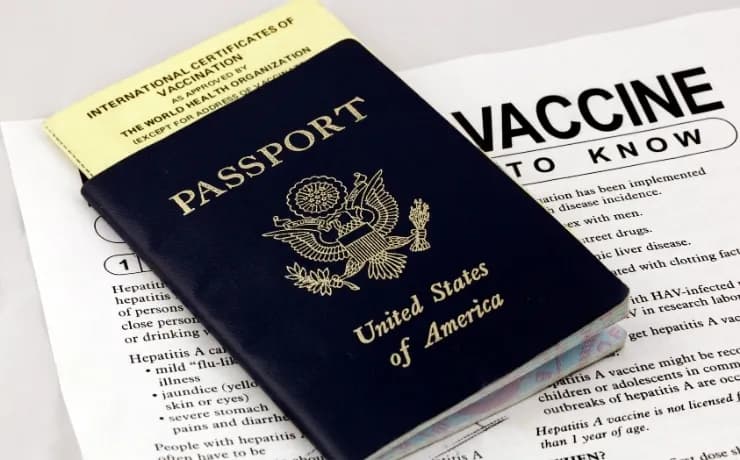
Planning a trip abroad is exciting, but it also comes with responsibilities—including making sure you're protected against certain illnesses. Travel vaccines are a crucial part of preparing for international travel. They help protect you from diseases that may not be common in the United States but are more widespread in other parts of the world.
Thankfully, many pharmacies now offer travel vaccines, making it easier than ever to stay safe before and during your trip. In this post, we'll guide you through the basics of travel vaccines and how your local pharmacy can help you get ready.
Travel vaccines are designed to protect you from diseases that are more common in certain countries or regions. These vaccines help:
Prevent illness during your trip
Reduce the spread of disease across borders
Comply with entry requirements in some countries
Certain diseases can pose serious health risks, especially if you're not immune. Getting vaccinated before travel is one of the best ways to ensure a healthy, stress-free journey.
Some regions have limited access to clean water or healthcare services, increasing your risk of disease. Travel vaccines provide essential protection in these environments.
If you plan to stay overseas for several weeks or months, you may need additional vaccines to stay protected over the long term.
Traveling off the beaten path? Activities like hiking, camping, or staying in remote areas may expose you to diseases not typically found in urban areas.
People with weakened immune systems or chronic illnesses may need extra precautions. A pharmacist can guide you on which vaccines are best suited for your condition and travel plans.
The vaccines you need will depend on your destination, length of stay, planned activities, and current health status. While we won't name specific vaccines, here are general categories:
These are the standard immunizations most people receive in childhood and may need to be updated before traveling.
Some countries require proof of certain vaccines for entry. A valid vaccine certificate may be needed at immigration.
These are not mandatory but are strongly advised for protection against local diseases. A pharmacist or travel health provider can help you decide which ones are right for your trip.
Timing matters. Some vaccines take time to become effective, and others may require more than one dose over a period of weeks.
Plan to get vaccinated at least 4 to 6 weeks before your trip. This allows your body time to build immunity and ensures you're fully protected by the time you travel.
If you're leaving sooner, don’t worry. Visit your local pharmacy as soon as possible. Even last-minute vaccinations can offer some level of protection.
Many pharmacies now offer convenient travel health services, including vaccines. Here’s how they can assist:
Pharmacists can evaluate your travel itinerary and medical history to determine what vaccines or preventive measures you might need.
No need to visit a special clinic. Many pharmacies offer walk-in or appointment-based travel vaccinations, often with extended hours.
Pharmacists are trained and certified to administer vaccines safely and professionally.
Need proof of vaccination? Your pharmacy can provide official records for travel or entry requirements.
Beyond vaccinations, your pharmacist can share valuable information about staying healthy while traveling—such as how to avoid foodborne illnesses or protect against insect bites.
Visiting a pharmacy for travel vaccines is a simple process. Here’s what usually happens:
Consultation: You’ll speak with a pharmacist about your travel plans and health history.
Vaccine Plan: Based on your needs, the pharmacist will recommend specific vaccines.
Administration: The necessary vaccines are given on-site.
Follow-Up: If your vaccine schedule requires multiple doses, the pharmacy can help schedule follow-up visits.
Many pharmacies also bill insurance for vaccine services, which can reduce your out-of-pocket costs. Be sure to ask about coverage.
Travel health doesn’t end with vaccines. Pharmacists can also recommend:
Over-the-counter travel medications
Preventive supplies (like insect repellent or water purifiers)
Tips for managing chronic conditions while abroad
They can also answer questions about food safety, hydration, and what to pack in a basic travel health kit.
Travel is one of life’s greatest joys, but it’s important to take steps to stay healthy while exploring new places. Travel vaccines are a key part of that preparation.
Your local pharmacy makes it easier than ever to access these important services. With trained pharmacists, convenient hours, and personalized advice, you can travel with confidence and peace of mind.