

Request A Callback
Have a question or need assistance? Request a callback, and one of our friendly team members will reach out to you as soon.
Have a question or need assistance? Request a callback, and one of our friendly team members will reach out to you as soon.
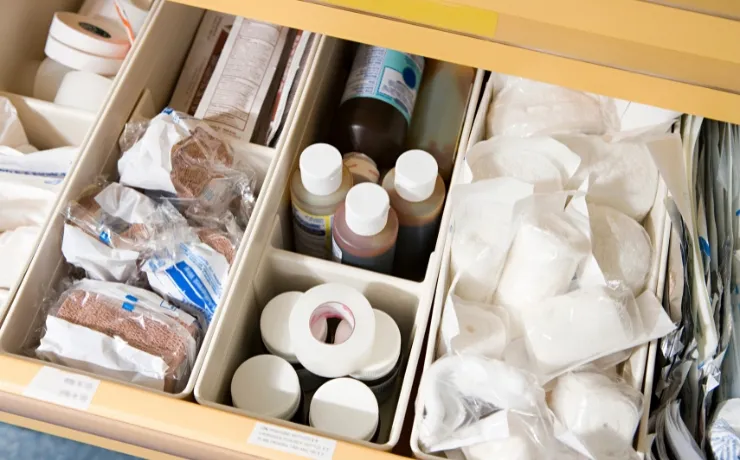
As healthcare continues to evolve, so does the demand for reliable, easy-to-use medical supplies. Pharmacies are not just for prescriptions anymore—they also offer a wide range of medical supplies to help patients manage their health from home. Whether you’re recovering from surgery, living with a chronic condition, or simply want to stay prepared, understanding what’s new in 2025 can help you make the best choices.
In this article, we’ll explore the top-selling medical supplies for 2025, what makes them popular, and how they can support your daily health needs.
Medical supplies are essential tools that support care at home, improve comfort, and help prevent complications. From basic wound care items to digital monitoring devices, these products help:
Improve independence and quality of life
Support chronic condition management
Promote faster recovery
Enhance home care safety
Many of these items are available over the counter at your local pharmacy—making it easier than ever to take charge of your health.
With growing awareness of heart health, digital blood pressure monitors remain a top seller in 2025. These home-use devices offer quick, reliable readings and are essential for patients with hypertension or cardiovascular risk.
Easy to use at home
Stores readings for trend tracking
Available in wrist or arm cuff designs
Some models now sync with mobile apps, allowing you to share readings with your healthcare provider in real time.
The line between fitness and medical devices continues to blur. Wearable health trackers have become more sophisticated, offering features beyond step counting.
Heart rate and oxygen monitoring
Sleep quality analysis
Blood glucose tracking integration
Fall detection for seniors
These devices help patients and caregivers stay proactive with their health, especially those managing chronic conditions.
With diabetes remaining a prevalent health concern, diabetic care supplies continue to be pharmacy best-sellers. Essential items include:
Glucose meters
Test strips
Lancets
Alcohol wipes
Skin-friendly adhesive patches for wearable monitors
Smaller, less invasive sensors
Longer wear time for continuous monitors
Bluetooth-enabled meters for data tracking
Pharmacists can help you choose the right system based on comfort, lifestyle, and ease of use.
Accidents can happen at any time, making first aid kits and wound care products household essentials.
Antimicrobial wound dressings
Latex-free bandages
Pre-assembled emergency kits for travel, home, or car
Skin barrier sprays and healing ointments
Pharmacies now offer customizable first aid kits so you can build one suited to your family's needs.
As respiratory health becomes more important, especially in a post-pandemic world, home-use respiratory devices are in high demand.
Nebulizers
Pulse oximeters
Humidifiers and vapor inhalers
CPAP cleaning accessories
Many new models are quieter, more compact, and travel-friendly—designed for patients who require respiratory care at home.
For patients recovering from surgery or living with limited mobility, assistive medical devices make daily life easier and safer.
Canes and walkers with foldable features
Raised toilet seats
Shower chairs and grab bars
Compression socks for circulation support
These tools promote independence and help prevent falls—especially important for seniors.
Incontinence products are some of the most discreet but essential medical supplies pharmacies carry. These include:
Disposable briefs
Underpads
Skin-protecting creams
Odor control sprays
More breathable, skin-friendly materials
Gender-specific designs for better fit
Subscription options for discreet home delivery
Patients can consult with pharmacists to find products that meet both comfort and protection needs.
Digital thermometers and other at-home health monitors are key for detecting illness early and managing symptoms.
Infrared forehead thermometers
Smart thermometers with mobile app syncing
Ear thermometers for children
Having these tools at home helps you respond quickly to symptoms and monitor health changes.
For individuals with joint pain or injury, orthopedic braces and supports provide stability, reduce strain, and support healing.
Knee, ankle, and wrist braces
Back support belts
Hot/cold therapy wraps
These products are increasingly customizable and adjustable, offering better fit and comfort for daily wear.
Everyday health tools such as pill organizers, reachers, and jar openers make daily routines easier—especially for older adults or individuals with arthritis.
Weekly or monthly pill organizers
Talking pill bottles or reminder alarms
Dressing aids like zipper pulls and sock assist tools
These thoughtful tools support independence and reduce stress for both patients and caregivers.
Your local pharmacist is a valuable resource when it comes to choosing the right medical supplies. They can:
Recommend the best options based on your condition
Provide instructions for safe and effective use
Explain insurance coverage or over-the-counter alternatives
Help you compare features and benefits
Don’t hesitate to ask for guidance—especially if you're unsure which product suits your needs.
From digital monitors to wound care and mobility aids, the top-selling medical supplies in 2025 reflect a shift toward empowered home healthcare. As patients take a more active role in managing their well-being, pharmacies continue to offer convenient access to high-quality products and expert support.
Whether you’re looking to build a home first aid kit, manage a chronic condition, or simply stay prepared, your pharmacy is a great place to start.