
Request A Callback
Have a question or need assistance? Request a callback, and one of our friendly team members will reach out to you as soon.
Have a question or need assistance? Request a callback, and one of our friendly team members will reach out to you as soon.
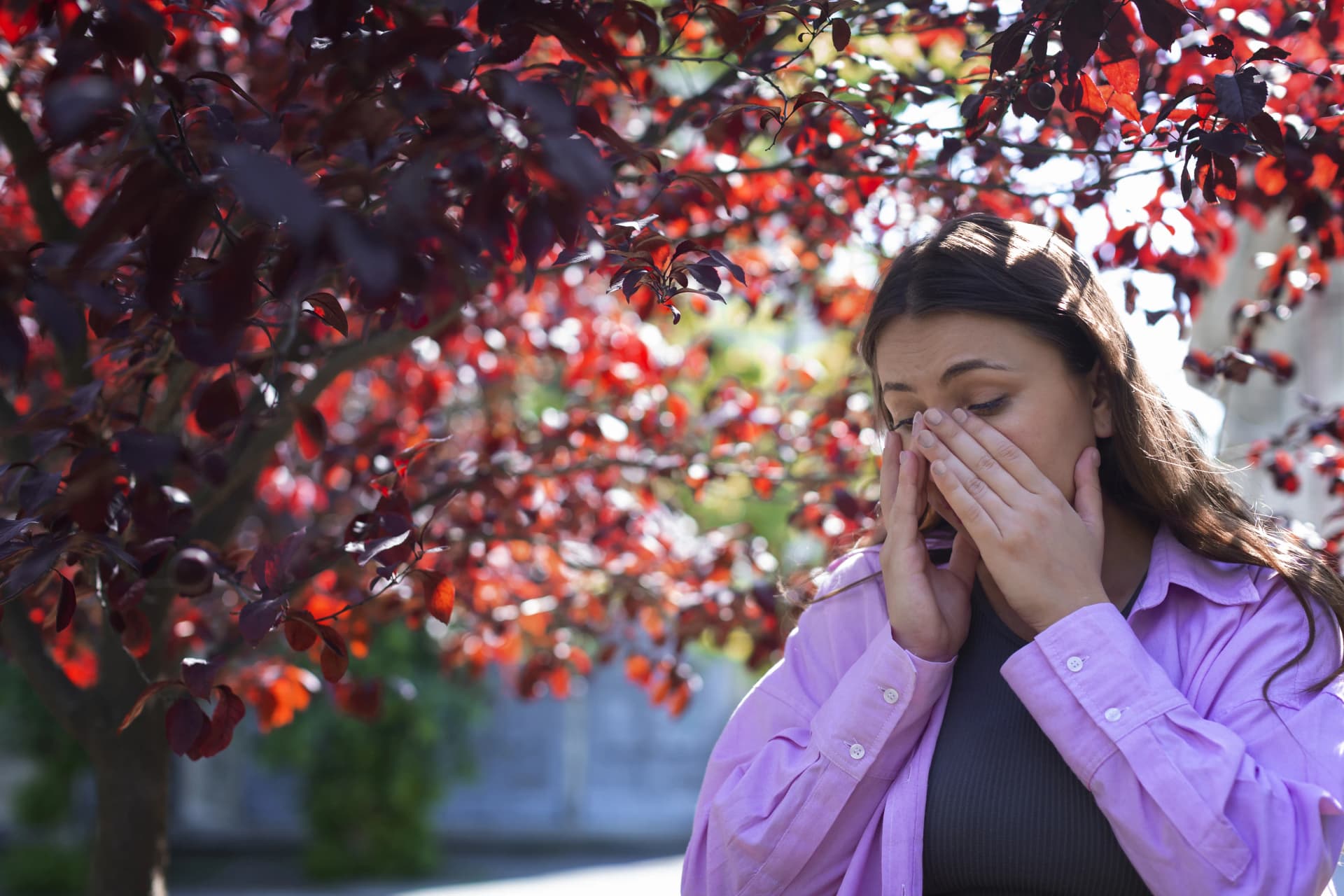
Seasonal depression, also known as Seasonal Affective Disorder (SAD), is a type of depression that typically occurs during the fall and winter months. It’s a common condition, especially in areas with long, dark winters. People with seasonal depression often experience symptoms such as fatigue, changes in sleep and appetite, and difficulty concentrating. While the causes are not fully understood, lack of sunlight is believed to play a major role.
Fortunately, there are several treatment options available, including light therapy and medication. In this blog, we’ll compare these two approaches to help you understand which might work best for you.
Seasonal depression is a type of depression that typically starts in the fall and continues into the winter. It’s different from regular depression in that it follows a predictable seasonal pattern, usually improving as the days get longer in the spring.
Symptoms of seasonal depression include:
Low energy and fatigue
Difficulty waking up or sleeping too much
Weight gain due to increased appetite, especially for carbs
Feelings of hopelessness or sadness
Social withdrawal
While seasonal depression may affect anyone, it is more common in individuals who live in areas with limited sunlight during the winter months.
One of the most popular treatments for seasonal depression is light therapy, which involves exposure to bright artificial light to mimic natural sunlight.
Light therapy works by increasing the amount of light exposure during the darker months, helping to regulate your body’s internal clock, also known as the circadian rhythm. Exposure to bright light helps to boost serotonin levels, the brain chemical that influences mood, and regulate melatonin, which affects sleep patterns.
Duration and Frequency: Most light therapy sessions last between 20 to 30 minutes, typically in the morning. You may need to use the light box daily for several weeks.
Type of Light Box: Look for a full-spectrum light box that provides 10,000 lux of light intensity. This is the level proven to be effective for treating seasonal depression.
Side Effects: Light therapy is generally considered safe, but some people may experience headaches, eye strain, or irritability. These side effects usually go away after a few sessions.
For many people, light therapy can significantly improve symptoms of seasonal depression. Studies show that about 60-80% of individuals with seasonal depression experience symptom relief after using light therapy.
While light therapy can be effective, medication may also be necessary for managing seasonal depression, especially if symptoms are severe or don’t improve with light therapy alone. There are several types of medications that may be used to treat SAD, including antidepressants and mood stabilizers.
The most commonly prescribed medications for seasonal depression are selective serotonin reuptake inhibitors (SSRIs). SSRIs work by increasing serotonin levels in the brain, which helps to improve mood.
Common SSRIs used for seasonal depression include:
Fluoxetine (Prozac)
Sertraline (Zoloft)
Escitalopram (Lexapro)
Can help alleviate symptoms of depression
May be used long-term or seasonally
Well-tolerated by most individuals
Can take several weeks to work
Possible side effects like nausea, sleep changes, or sexual dysfunction
Bupropion is another medication used to treat seasonal depression. It works differently than SSRIs by increasing the levels of dopamine and norepinephrine in the brain.
Often effective for individuals with seasonal depression
Less likely to cause weight gain or sexual side effects compared to SSRIs
May increase the risk of seizures in people with certain conditions
Can cause insomnia or agitation
For some individuals with severe depression, mood stabilizers like lithium may be prescribed to help manage mood swings and severe symptoms.
Effective for individuals with severe or treatment-resistant depression
Requires regular blood tests to monitor for side effects
Possible side effects like weight gain, fatigue, or tremors
Best for mild to moderate symptoms
Non-invasive and does not carry the risks of side effects associated with medications
Requires daily commitment, especially during the winter months
May not be effective for everyone
Best for moderate to severe symptoms
Can be highly effective, especially when light therapy is not enough
Medications can take several weeks to show full effects
Possible side effects, but these can often be managed with your doctor’s guidance
Choosing between light therapy and medication will depend on several factors, including:
The severity of your symptoms
Your personal preferences for treatment
The effectiveness of previous treatments you’ve tried
Any underlying medical conditions or other medications you are taking
It’s important to work closely with your healthcare provider to determine the best treatment plan for your needs.
If you’re struggling with seasonal depression, Central Pharmacy is here to support you. We can help you explore both light therapy devices and medication options, ensuring you have the tools to manage your symptoms effectively.
Visit us today or give us a call to learn more about the treatments available and how we can guide you on your journey to better mental health.