
Request A Callback
Have a question or need assistance? Request a callback, and one of our friendly team members will reach out to you as soon.
Have a question or need assistance? Request a callback, and one of our friendly team members will reach out to you as soon.
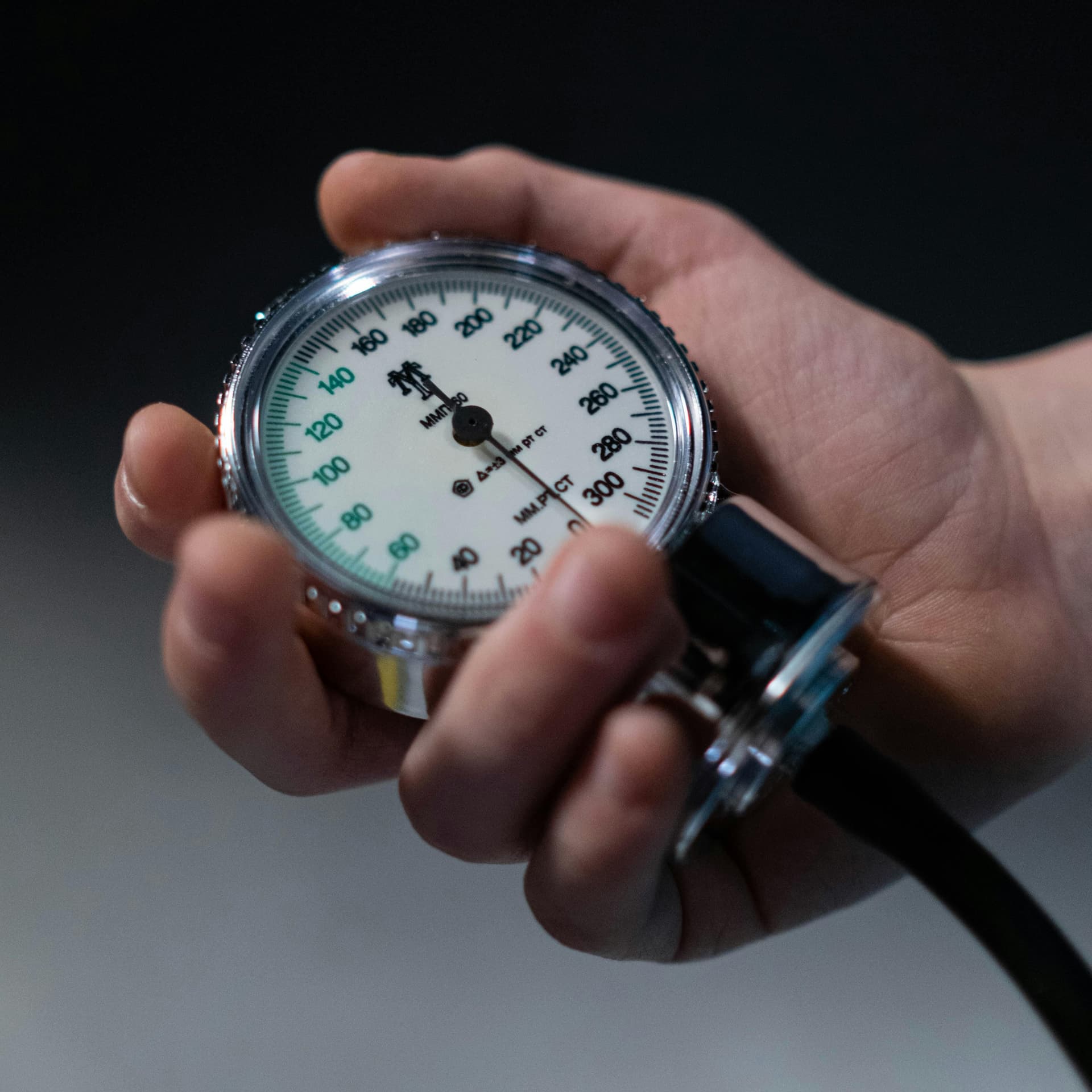
Hypertension, commonly known as high blood pressure, is one of the most prevalent chronic conditions worldwide. Often called the “silent killer,” hypertension can go unnoticed for years while damaging your heart, blood vessels, kidneys, and other vital organs. Understanding how to detect, manage, and control hypertension is key to living a longer, healthier life.
Blood pressure is the force exerted by circulating blood against the walls of the body’s arteries. Hypertension occurs when this pressure remains consistently high, usually defined as 130/80 mmHg or higher. Over time, uncontrolled high blood pressure can lead to serious health problems such as heart attacks, strokes, and kidney disease.
Several factors can contribute to the development of hypertension, including:
Most people do not experience symptoms, which is why regular blood pressure checks are essential. However, in severe cases or hypertensive crises, symptoms may include:
These signs should never be ignored and warrant immediate medical attention.
Primary (Essential): Develops gradually over years with no identifiable cause.
Secondary: Caused by underlying conditions like kidney disease, adrenal gland disorders, or certain medications.
Hypertension is diagnosed through repeated blood pressure readings. It’s often monitored using a blood pressure cuff, either in a clinical setting or with a home monitor. Tracking blood pressure regularly helps assess how well your management strategies are working.
The goal of treatment is to lower blood pressure to safe levels and prevent complications. This typically involves lifestyle changes and, in some cases, medication.
There are several classes of medications used to control blood pressure:
Doctors may prescribe one or more medications depending on your specific health profile. It’s important to take your medications as directed and never stop without consulting your provider.
Hypertension is a manageable condition, but it requires awareness, consistent monitoring, and proactive care. By making smart lifestyle choices and working closely with your healthcare providers, including your pharmacy team, you can reduce your risk of complications and improve your quality of life.
Don’t wait for symptoms to appear, get your blood pressure checked regularly and take charge of your heart health today.