

Request A Callback
Have a question or need assistance? Request a callback, and one of our friendly team members will reach out to you as soon.
Have a question or need assistance? Request a callback, and one of our friendly team members will reach out to you as soon.
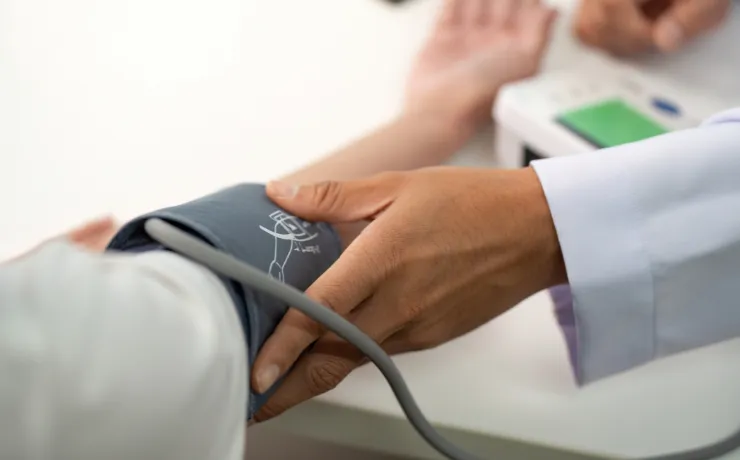
High blood pressure doesn’t happen overnight. For many people, it begins with a stage known as prehypertension. This is when blood pressure is higher than normal but not yet in the range considered high. Left unchecked, prehypertension can progress to hypertension (high blood pressure), which increases the risk of heart disease, stroke, and kidney problems.
The good news is that with the right lifestyle habits and regular monitoring, you can manage prehypertension and reduce your long-term health risks.
Blood pressure is measured with two numbers:
Systolic pressure (the top number) – pressure when the heart beats
Diastolic pressure (the bottom number) – pressure when the heart relaxes
Normal blood pressure is usually considered below 120/80 mmHg. Prehypertension generally means:
Systolic: 120–139 mmHg
Diastolic: 80–89 mmHg
While this range doesn’t mean you have high blood pressure yet, it signals that your body is under strain and you may need to make changes.
Prehypertension is a warning sign. If ignored, it can progress to full hypertension, which significantly increases your risk of:
Heart attack
Stroke
Kidney disease
Vision problems
Other cardiovascular complications
By paying attention early, you can take steps to slow down or even prevent progression.
Prehypertension can happen for many reasons. Some are related to lifestyle, while others may be linked to genetics or underlying health issues.
Unhealthy diet – High salt, processed foods, and low intake of fruits and vegetables
Lack of exercise – A sedentary lifestyle contributes to weight gain and higher blood pressure
Obesity – Extra body weight makes the heart work harder
Excessive alcohol use – Drinking too much can raise blood pressure
Stress – Chronic stress puts pressure on the cardiovascular system
Family history – Genetics play a role in blood pressure trends
Age – Blood pressure tends to rise as people get older
The most effective way to manage prehypertension is through healthy lifestyle changes. These habits support not only blood pressure but also overall well-being.
Reduce sodium intake by limiting processed and packaged foods.
Follow the DASH (Dietary Approaches to Stop Hypertension) plan, which emphasizes fruits, vegetables, whole grains, lean proteins, and low-fat dairy.
Choose fresh foods whenever possible.
Aim for at least 150 minutes of moderate exercise per week, such as brisk walking, swimming, or cycling.
Even short 10–15 minute walks after meals can make a difference.
Losing even a small amount of weight can help lower blood pressure.
Focus on gradual, sustainable weight management.
Drink in moderation—no more than one drink per day for women and two for men.
Smoking damages blood vessels and raises blood pressure; quitting provides immediate benefits.
Practice relaxation techniques such as deep breathing, meditation, or yoga.
Get enough rest and sleep to give your body time to recover.
Since prehypertension often has no symptoms, monitoring blood pressure regularly is key.
At the pharmacy: Many pharmacies offer free or low-cost blood pressure screenings.
At home: Consider using a home blood pressure monitor for ongoing tracking.
With your doctor: Routine check-ups allow for early intervention if your numbers start to climb.
Keeping a log of your readings helps you and your healthcare provider see trends over time.
In most cases, medications are not prescribed for prehypertension unless there are other serious health conditions, such as diabetes or kidney disease. Lifestyle changes are usually the first line of defense.
However, if blood pressure continues to rise despite healthy habits, your doctor may recommend starting treatment earlier to prevent complications.
Pharmacists play an important role in helping patients with prehypertension. They can:
Provide blood pressure screenings and track your readings
Offer advice on low-sodium foods, supplements, or OTC options that won’t interfere with blood pressure
Educate you about risk factors and ways to improve your daily routine
Refer you to a doctor if your readings suggest you may be moving toward hypertension
Contact your healthcare provider if you:
Consistently record blood pressure readings above 120/80 mmHg
Notice symptoms like dizziness, headaches, or chest discomfort
Have a family history of heart disease or other related conditions
Early detection and care can prevent prehypertension from becoming a more serious problem.
Prehypertension is not a disease on its own—it’s a warning sign. Think of it as a chance to take control of your health before things get worse. By focusing on healthy eating, exercise, stress management, and regular monitoring, you can often keep your blood pressure in check and avoid long-term complications.
Your pharmacist and doctor are valuable partners in this journey, helping you stay informed, motivated, and supported.