

Request A Callback
Have a question or need assistance? Request a callback, and one of our friendly team members will reach out to you as soon.
Have a question or need assistance? Request a callback, and one of our friendly team members will reach out to you as soon.
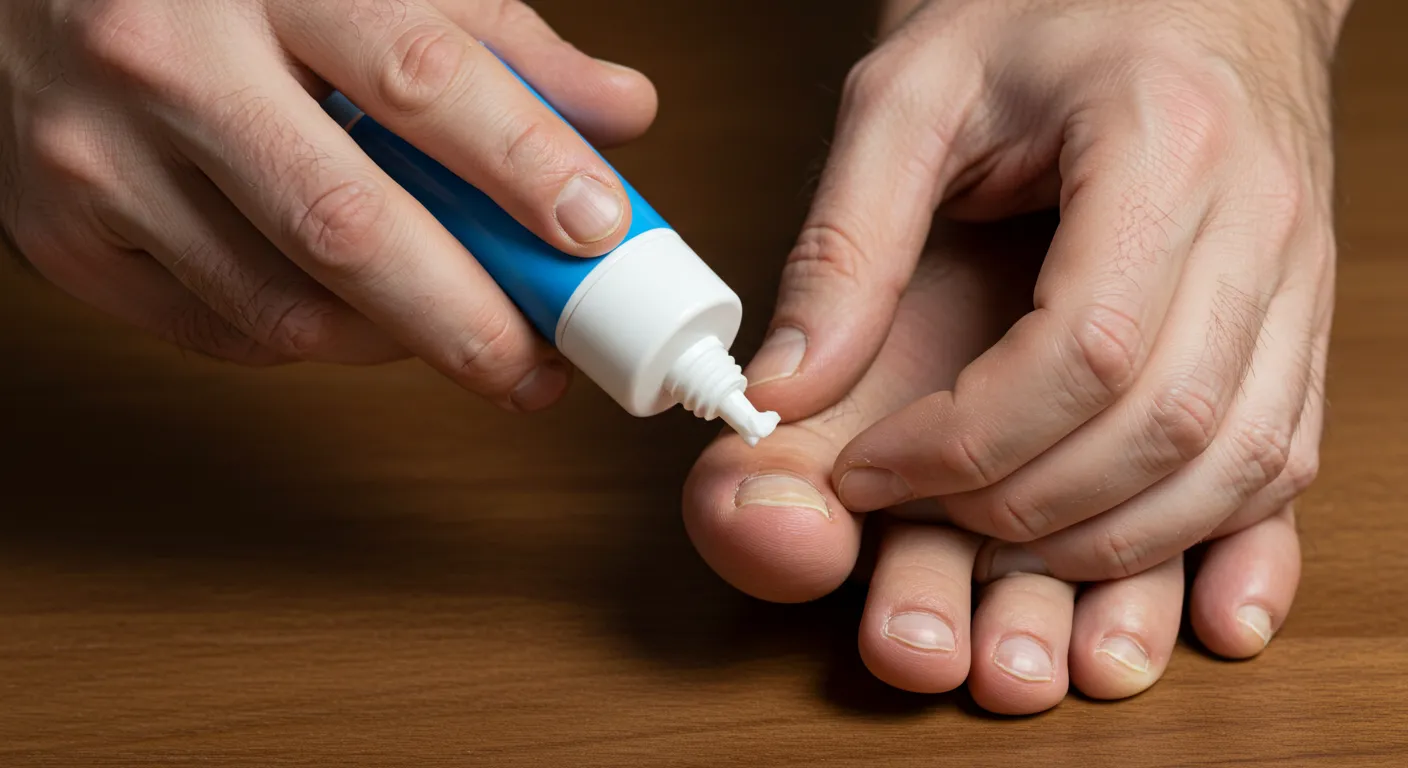
Foot fungus, often referred to as athlete's foot, is a common skin infection that affects the feet. It can cause itching, burning, cracking, and even blisters if left untreated. While it may not be life-threatening, it can be uncomfortable and persistent.
The good news is that foot fungus is treatable. With the right approach and a little consistency, you can get relief and prevent it from coming back. In this guide, we’ll walk you through what foot fungus is, how to treat it quickly, and how your local pharmacy can help.
Foot fungus is a skin infection caused by fungi that thrive in warm, moist environments. It commonly appears between the toes but can also affect the soles and sides of the feet.
This condition is highly contagious and can spread through:
Shared showers
Locker room floors
Towels and socks
Direct contact with infected skin
Recognizing the symptoms early is key to starting treatment right away.
The signs of foot fungus can vary, but typical symptoms include:
Itching and burning, especially between the toes
Red, scaly, or cracked skin
Peeling or flaking skin
Dryness or discoloration
Blisters or oozing lesions (in more severe cases)
If left untreated, foot fungus can spread to the toenails or other parts of the body. That’s why prompt treatment is important.
Fungi thrive in moisture. Start by washing your feet daily with mild soap and water. Be sure to dry thoroughly, especially between the toes.
Most pharmacies carry a variety of antifungal products that are effective against foot fungus. These may come in the form of:
Creams
Sprays
Powders
Gels
Apply the product as directed, usually once or twice a day. Be consistent and continue the treatment for the full duration recommended, even if symptoms improve early.
Choose shoes made of materials that allow air to circulate. Avoid tight-fitting shoes and opt for moisture-wicking socks to keep your feet dry.
Don’t wear the same socks or shoes every day. Change them often, especially if your feet become sweaty. Wash socks in hot water to kill any lingering fungi.
Fungi can live in shoes and reinfect your feet. Use an antifungal spray or powder to treat your shoes regularly.
Wear flip-flops or shower shoes in locker rooms, public showers, and around pools to avoid picking up or spreading the fungus.
While most mild cases of foot fungus can be treated at home, you should see a healthcare provider if:
The infection does not improve after a few weeks
The condition gets worse or spreads
You develop pain, swelling, or open sores
You have diabetes or a weakened immune system
A healthcare provider may recommend stronger treatments or prescribe oral medications in more serious cases.
Once you’ve treated foot fungus, taking steps to prevent it from returning is essential.
Moisture is the enemy. Make sure your feet are dry before putting on socks and shoes.
Look for moisture-wicking socks that keep sweat away from your skin. Cotton socks tend to hold moisture, so consider synthetic or wool blends.
Give your shoes time to air out between uses. Consider using antifungal insoles or foot powder.
Wash your feet daily, keep your toenails trimmed, and never share personal items like towels or footwear.
Early detection means faster treatment. If you notice any redness, itching, or unusual dryness, start treatment right away.
Pharmacists are a great resource for managing foot fungus. They can:
Recommend effective over-the-counter products
Provide instructions for proper use
Offer advice on prevention and foot hygiene
Refer you to a healthcare provider if needed
Many pharmacies also carry supportive products like antifungal socks, breathable insoles, and soothing foot soaks.
Foot fungus is a common and treatable condition. With a few consistent steps and the right treatment, you can clear up the infection and keep it from coming back.
Your pharmacy is your first line of defense. From antifungal creams to expert advice, your pharmacist can help you take quick action and protect your feet long-term.