
Request A Callback
Have a question or need assistance? Request a callback, and one of our friendly team members will reach out to you as soon.
Have a question or need assistance? Request a callback, and one of our friendly team members will reach out to you as soon.
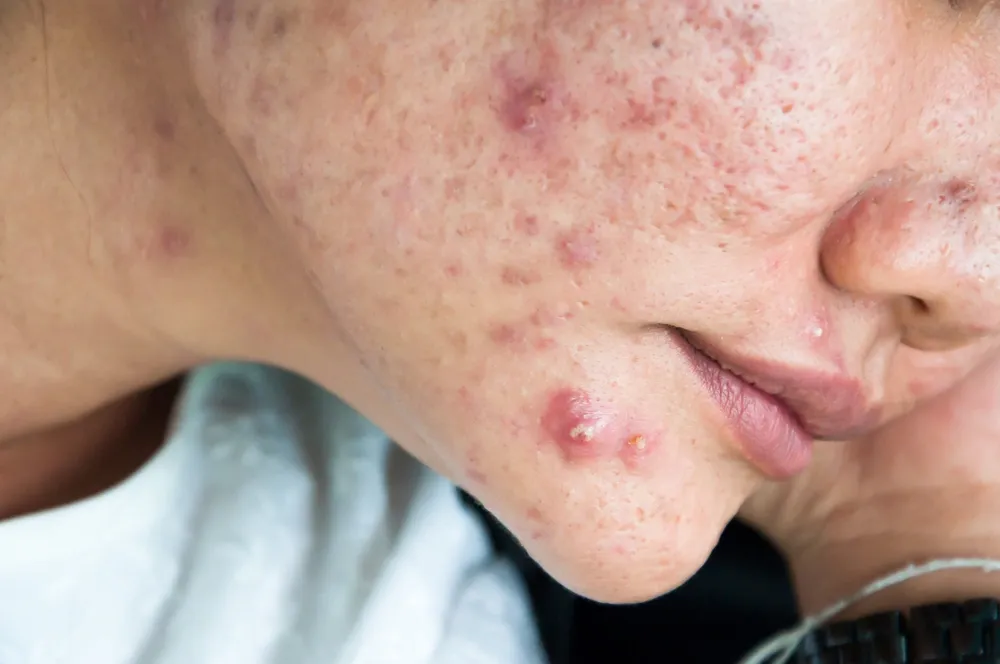
Cystic acne is a severe and often painful form of acne that develops deep beneath the skin. Unlike typical pimples, cystic acne tends to linger longer, leave scars, and resist over-the-counter treatments. If you or a loved one struggles with this condition, it’s important to understand your options—from home care to professional treatments available at your pharmacy or by prescription.
This guide breaks down the causes, symptoms, and treatment options so you can take informed steps toward clearer, healthier skin.
Cystic acne occurs when oil, bacteria, and dead skin cells clog your pores and create inflamed, fluid-filled cysts. These cysts can be:
Red and swollen
Painful to the touch
Large and deep under the skin
Persistent and slow to heal
It often appears on the face, but can also affect the back, chest, shoulders, and jawline.
While anyone can develop cystic acne, it is more common among:
Teenagers and young adults going through hormonal changes
Women during menstruation, pregnancy, or menopause
People with oily skin types
Individuals with a family history of severe acne
Hormones play a major role, which is why flare-ups can be difficult to control without consistent care.
Cystic acne isn’t just a cosmetic issue. It can lead to:
Permanent scarring
Emotional distress
Increased risk of infection if squeezed or popped
That’s why it’s important to treat it effectively—and avoid irritating it further with harsh products or home remedies that don’t work.
Although cystic acne usually requires medical attention, some home strategies can support healing or reduce inflammation.
Applying a warm compress may help bring the cyst to the surface, reduce swelling, and encourage natural drainage.
Tip: Use a clean washcloth soaked in warm (not hot) water for 10–15 minutes, a few times a day.
Stick to fragrance-free, non-comedogenic cleansers that won’t clog pores.
Tip: Avoid scrubbing, which can irritate the skin further.
Applying ice wrapped in a clean cloth may reduce swelling and soothe discomfort during painful flare-ups.
For some individuals, OTC products can help manage cystic acne or prevent future breakouts when used consistently.
Many pharmacies carry acne creams or gels containing:
Benzoyl peroxide (to kill bacteria)
Salicylic acid (to unclog pores)
Alpha hydroxy acids (to exfoliate the skin)
These ingredients may work on surface-level blemishes but often can’t penetrate deep enough to resolve cystic lesions completely.
Gentle acne pads and face washes are available at most pharmacies and can support a daily skincare routine to keep oil and bacteria under control.
Important: Always patch-test any new product and follow directions carefully.
If cystic acne is:
Severe or widespread
Not responding to OTC products
Causing pain or scarring
Affecting your confidence or quality of life
…it’s time to consult with a healthcare professional. Your doctor or dermatologist may recommend prescription-strength treatments or refer you for further care.
Because of how deep cystic acne forms, prescription treatments are often the most effective.
Prescription topical creams may contain stronger ingredients to reduce inflammation and promote healing.
In some cases, oral treatments may be used to:
Balance hormone levels
Fight bacterial infections
Reduce oil production from within
These treatments should always be taken under professional supervision.
If needed, a dermatologist might suggest:
Cortisone injections (to shrink large cysts)
Drainage procedures (to remove fluid safely)
Laser or light therapy (to target inflammation)
Note: These options are typically offered in clinical settings.
Pharmacies do more than fill prescriptions—they can be a helpful resource in your acne treatment journey.
Product recommendations for sensitive skin
Guidance on using acne medications properly
Medication reminders or synchronized refills
Questions about side effects or drug interactions
Your pharmacist can also coordinate with your provider to ensure treatments are working together—not against each other.
While treatment is key, lifestyle changes can support your skin health and prevent future breakouts.
This can worsen inflammation and lead to scarring.
Bacteria and oil buildup can irritate your skin, especially on the face and jawline.
Stress can increase oil production and hormonal imbalances, both of which can worsen acne.
Consistency matters—gentle cleansing and moisturizing help maintain a healthy skin barrier.
Cystic acne can be frustrating, painful, and emotionally taxing—but there are many ways to manage it. From home remedies to over-the-counter products, and ultimately prescription treatments, options are available to help you feel better in your skin.
Don’t wait until it worsens. If you’re unsure where to begin, visit your local pharmacy. A pharmacist can point you toward safe products, answer questions about medication, and guide you toward care that supports both your skin and your confidence.