

Request A Callback
Have a question or need assistance? Request a callback, and one of our friendly team members will reach out to you as soon.
Have a question or need assistance? Request a callback, and one of our friendly team members will reach out to you as soon.
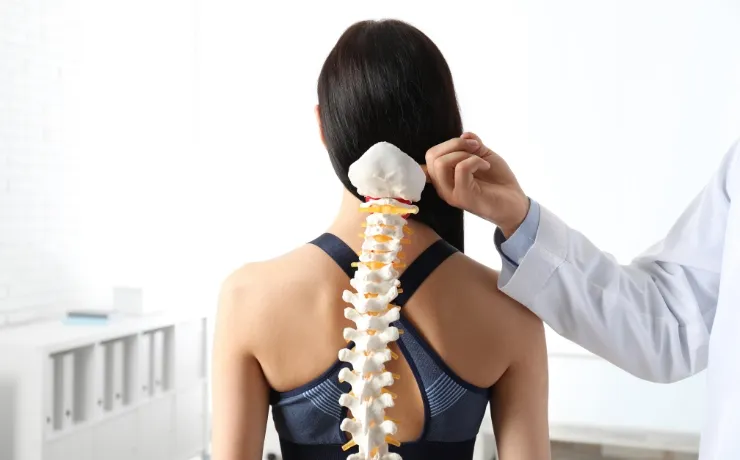
Your bones are the foundation of your body—literally. They give you structure, protect your organs, and allow movement. As we age, bone strength can decline, increasing the risk of osteoporosis, a condition where bones become weak and fragile.
The good news? You can take steps now to keep your bones healthy. With a combination of the right lifestyle habits and, when needed, medication, you can reduce your risk of bone loss and fractures.
Osteoporosis happens when bone density decreases, making bones more prone to breaking—even from a small fall or minor bump. It’s often called a “silent” disease because it can develop without symptoms until a fracture occurs.
Risk factors include:
Age – Bone mass naturally declines over time.
Gender – Women, especially after menopause, are at higher risk.
Family history – Genetics can play a role.
Low body weight – Less bone mass to begin with.
Certain medical conditions or treatments – Some affect bone strength.
Healthy bones aren’t just important in older age—they’re built throughout your life. Peak bone mass usually occurs in your 20s or early 30s, so building strong bones early helps protect against loss later.
Even if you’re past your peak bone-building years, it’s never too late to strengthen bones and slow down loss.
Calcium is a key building block of bone. Without enough, your body will take calcium from your bones to keep other functions running.
Good sources include:
Dairy products (milk, yogurt, cheese)
Leafy green vegetables
Fortified plant-based milks
If you can’t get enough calcium through diet, your healthcare provider might recommend a supplement.
Vitamin D helps your body absorb calcium. You can get it from:
Sunlight exposure
Fatty fish like salmon
Fortified foods
Some people need supplements, especially in winter or if they spend little time outdoors.
Weight-bearing and resistance exercises stimulate bone growth and help maintain density. Examples include:
Walking
Jogging
Dancing
Strength training
Aim for at least 150 minutes of moderate activity per week, plus muscle-strengthening exercises twice a week.
Smoking can weaken bones and slow healing. Excessive alcohol can interfere with calcium absorption and increase fall risk.
If you smoke, talk to your healthcare provider about quitting. Limit alcohol to moderate amounts—up to one drink per day for women, two for men.
Being underweight can increase bone loss, while excess weight may raise the risk of fractures from falls. Aim for a balanced weight through healthy eating and regular activity.
When lifestyle changes aren’t enough, medications can help prevent or slow bone loss. These treatments work in different ways, such as:
Slowing the breakdown of bone
Stimulating new bone growth
Helping your body absorb calcium more effectively
Your healthcare provider will decide if medication is right for you based on your bone density test results, medical history, and fracture risk.
A bone density test, often called a DEXA scan, measures how strong your bones are. It’s quick, painless, and helps identify osteoporosis before a fracture occurs.
Doctors often recommend testing if:
You’re a woman over 65 or a man over 70
You’ve had a fracture after age 50
You have risk factors like long-term steroid use or family history
Strong bones are built day by day. Here are some habits to make part of your routine:
Eat a balanced diet with enough protein, calcium, and vitamin D
Stay active with weight-bearing exercises
Keep up with regular health checkups
Ask your pharmacist about possible medication side effects on bone health
Review your prescriptions to avoid harmful drug interactions
Your pharmacist can be a great ally in protecting your bone health. They can:
Review your medications for any that may affect bones
Recommend supplements if you’re not getting enough nutrients
Provide reminders for medication adherence
Suggest lifestyle tips to complement your treatment plan
Seek medical advice if you:
Experience sudden back pain (could be a sign of a fracture)
Lose height rapidly
Have a family history of osteoporosis
Are starting a medication known to impact bone density
Early action can make a big difference in preventing further bone loss.
Strong bones are essential for mobility, independence, and quality of life. By combining healthy habits with medical support when needed, you can lower your risk of osteoporosis and protect your future.
Start today—whether it’s adding more calcium to your meals, getting outside for sunlight, or speaking to your healthcare provider about bone density testing.